
Neolithic
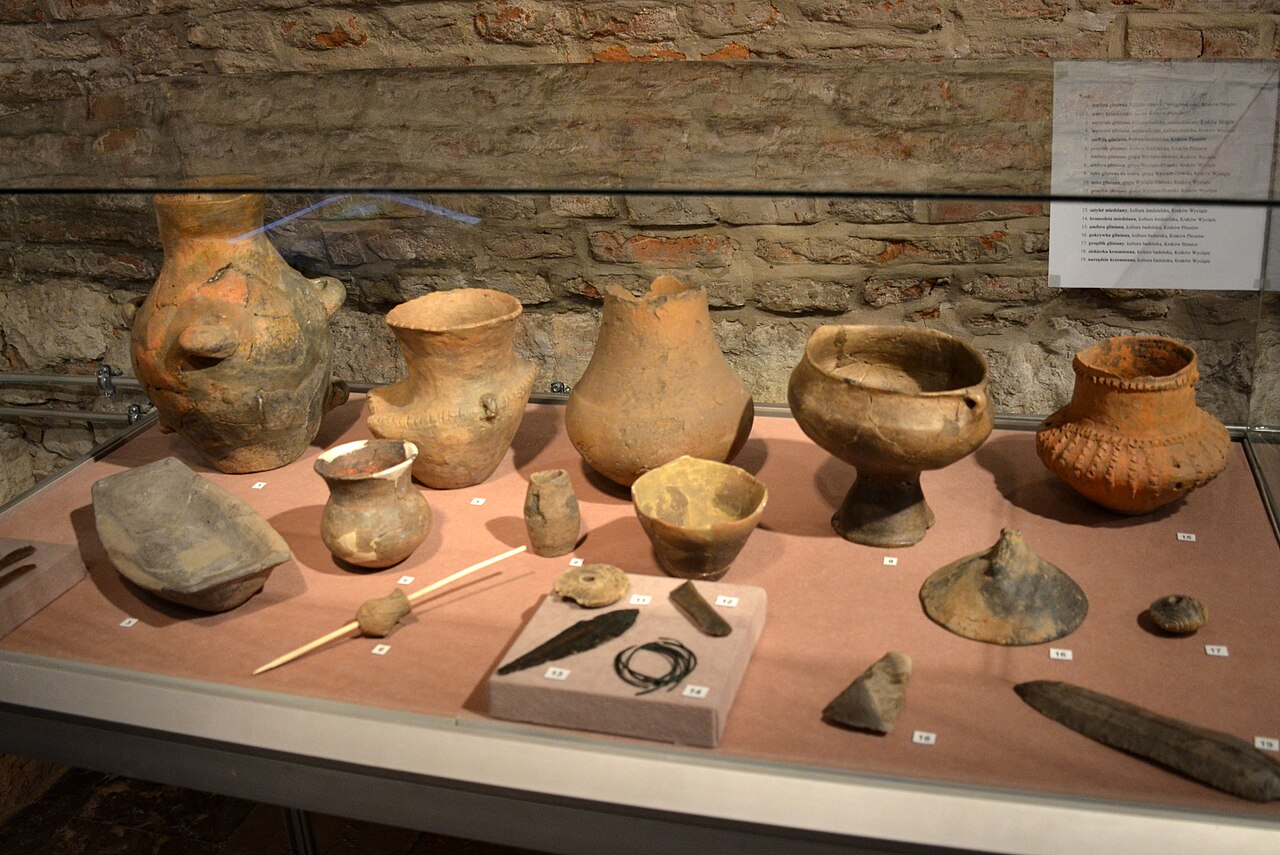
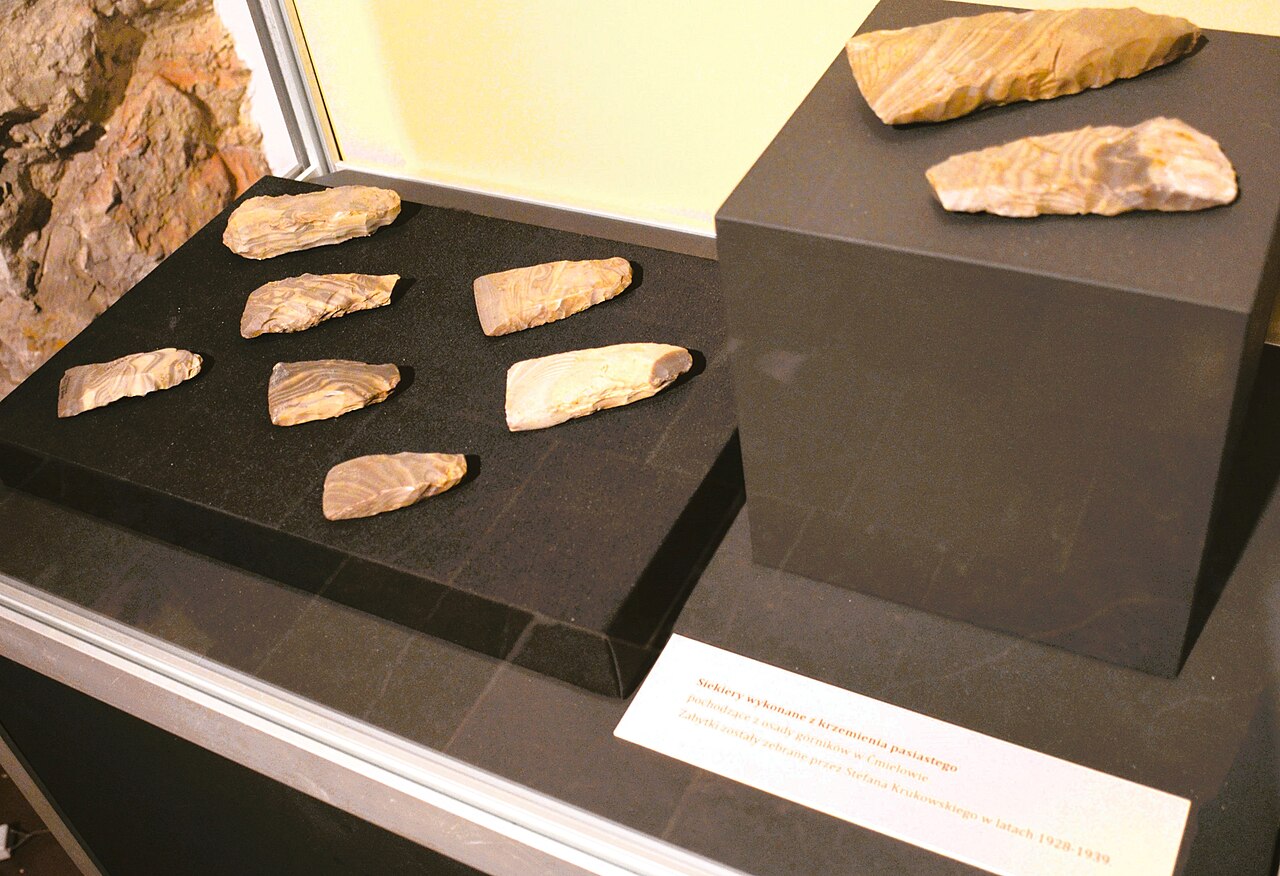
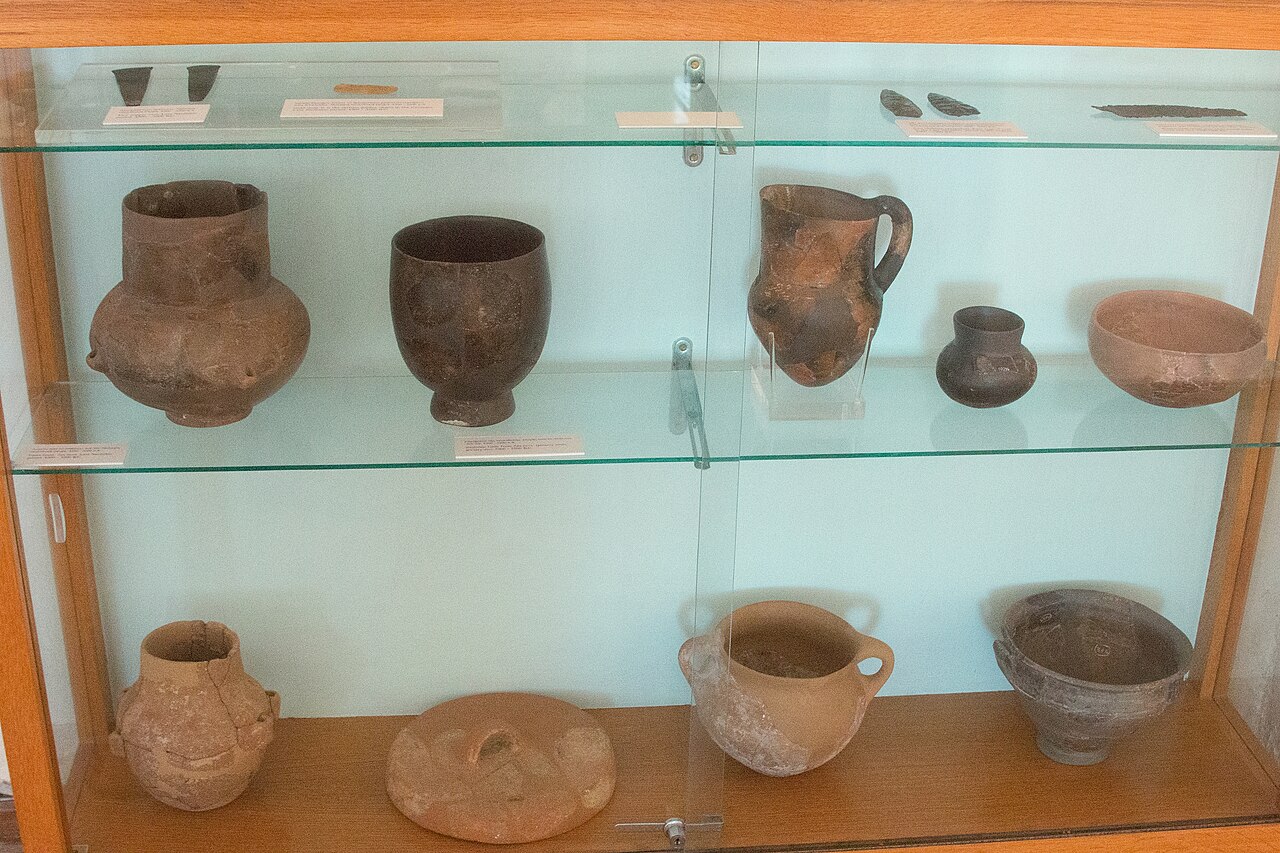
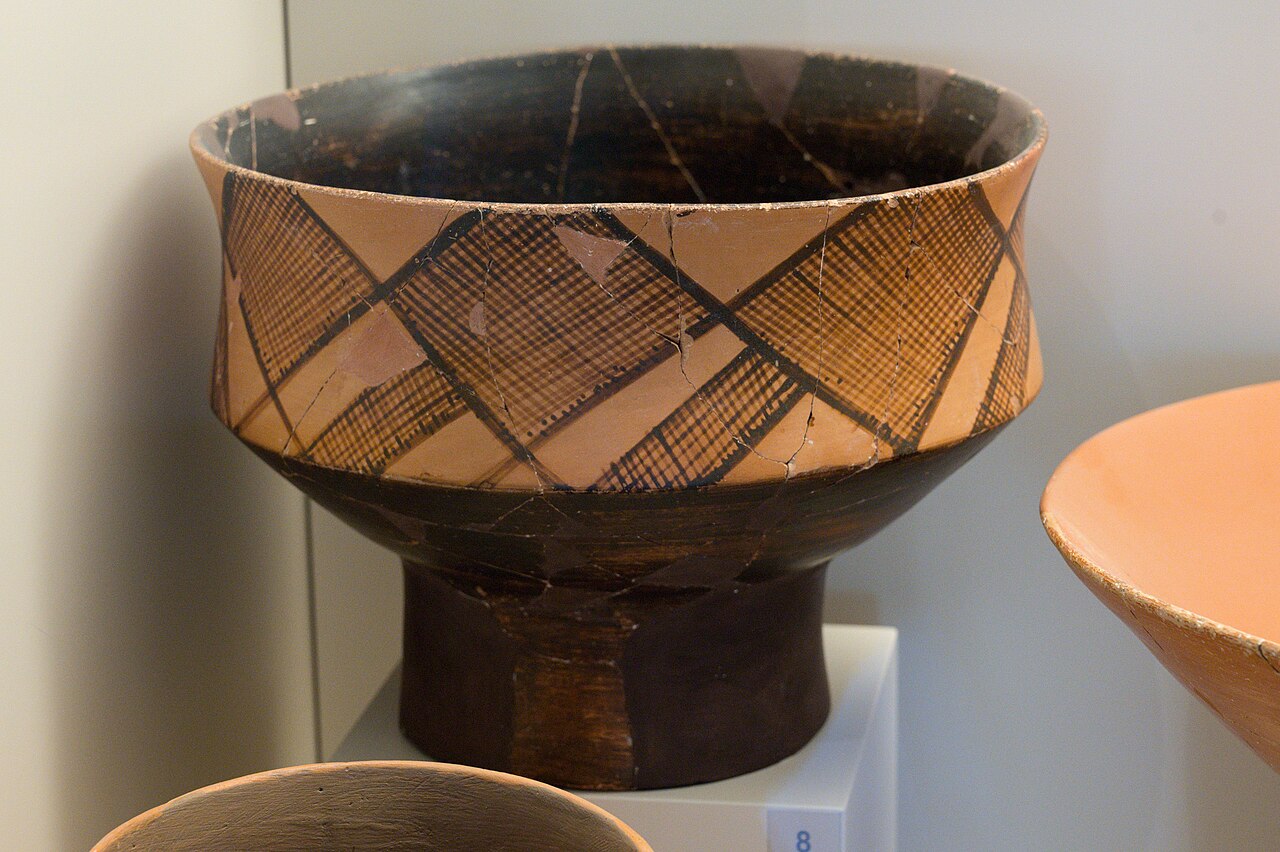
The Neolithic period introduced farming and permanent settlements.

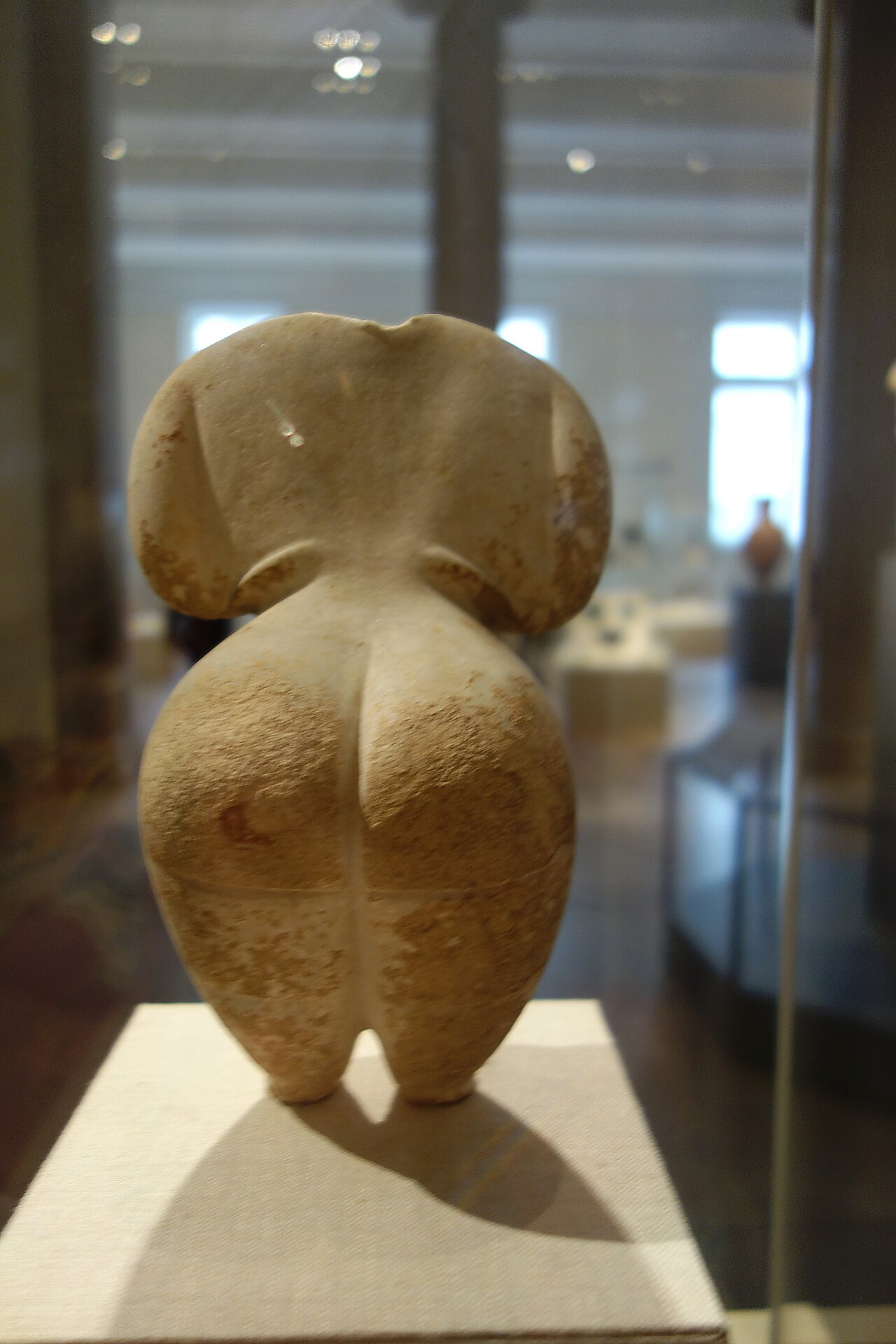
Zde · CC BY-SA 4.0
It is defined by the Neolithic Revolution, a set of developments including the introduction of farming, domestication of animals, and a shift from hunter-gatherer lifestyles to settled communities.
- Key region
- West Asia, Mesopotamia, Levant
- Known for
- Neolithic Revolution, farming, domestication, settlement
- Preceded by
- Mesolithic (Middle Stone Age) in some regions
- Followed by
- Chalcolithic (Copper Age) in West Asia
Lore & Background
The founder crops of the Fertile Crescent included wheat, lentil, pea, chickpea, bitter vetch, and flax.
Reader's Guide
The Neolithic period marks a fundamental transformation in human history, known as the Neolithic Revolution, which independently arose in several parts of the world. Its legacy includes the domestication of plants and animals, permanent settlements, and the foundation for later civilizations.
Did You Know?
- The Neolithic lasted in China until circa 2000 BC with the rise of the Erlitou culture.
From Nomads to Settlers: The Neolithic Transformation
The earliest stirrings toward permanent human settlement trace back to the Levant around 12,000 BC, when the Natufian culture transitioned from a mobile existence to a sedentary one. Favorable environmental conditions—abundant water, reliable hunting grounds, fishing opportunities, and wild cereals—created what scholars describe as a wide spectrum economy that encouraged the formation of the first permanent villages. By 10,000 BC, this sedentary foundation had matured into a full agricultural society. Gordon Childe later framed this transformation as the first of two successive revolutions: the Neolithic Revolution, which anchored communities to the land, followed by the urban revolution, which amplified dense settlement, occupational specialization, social stratification, surplus exploitation, monumental architecture, and the emergence of writing. Both revolutions first took root in Western Asia, setting the stage for everything that followed. The critical insight is that a civilized way of life was ultimately tethered to conditions produced almost exclusively by agriculture, making the shift from foraging to farming the single most consequential pivot in human social history.
Six Independent Origins: Rethinking Where Civilization Began
For much of the twentieth century, the prevailing assumption was that civilization originated in a single location—the Fertile Crescent—and radiated outward through cultural diffusion. Modern scholarship has decisively overturned that model. Researchers now recognize that complex societies arose independently across at least six distinct regions in both hemispheres, each developing along its own timeline. These cradles include the Fertile Crescent encompassing Mesopotamia and the Levant, the Nile Valley in Northeast Africa, the Indo-Gangetic Plain, the North China Plain, the Andean Coast, and the Mesoamerican Gulf Coast. What unites them is not a shared starting point but a shared set of achievements: the building of cities, the invention of writing systems, experimentation in pottery and metalwork, animal domestication, and the emergence of layered class structures. Notably, sedentary and nomadic groups continued to interact across these regions rather than forming rigidly separate cultural blocs, complicating any simple narrative of isolated invention.
The Architecture of Complexity: How Cities and Writing Emerged
A civilization, in the strictest scholarly sense, is a complex society marked by the development of a state, social stratification, urbanization, and symbolic communication systems that go beyond spoken or signed language—specifically, writing and graphic arts. The earliest proto-urban settlements housing several thousand people appeared during the Neolithic period beginning in Western Asia around 10,000 BC. The first cities to sustain populations of several tens of thousands were Uruk, Ur, Kish, and Eridu in Mesopotamia, followed by Susa in Elam and Memphis in Egypt, all reaching that scale by the 31st century BC. The economic engine behind all of these urban centers was agricultural surplus: farmers produced more than they consumed, and that excess fed centralized governments, political and religious leaders, and the laborers who built public works. The transition from prehistory to history is conventionally marked by the moment when records of the past began to be kept for future generations, whether in written or oral form. In the Near East, this coincided with the Chalcolithic period of the 4th millennium BC and the development of proto-writing in Harappa around 3,300 BC.
Exceptions That Challenge the Blueprint
The tidy two-revolution model proposed by Gordon Childe—Neolithic Revolution first, urban revolution second—encounters persistent counterexamples in the archaeological record. Dense cities, for instance, were not attested in Egypt's Old Kingdom, a stark contrast to the urban density of Mesopotamia. In the Maya area, cities maintained a dispersed population rather than the concentrated clusters one might expect. The Inca sustained a complex society without any writing system, relying instead on Quipus, a record-keeping method that may also have served literary purposes. In present-day Louisiana, researchers have determined that primarily nomadic cultures organized across generations to construct earthwork mounds at seasonal settlements as early as 3400 BC, meaning monumental architecture can precede any evidence of village settlement. These anomalies suggest that the rise of civilization may not follow a fixed sequence of preconditions. An alternative reading frames it as an accelerated process that began with incipient agriculture and culminated in the Oriental Bronze Age, with different societies emphasizing different milestones at different paces.
Gallery

Frequently Asked Questions
What is Neolithic?
Neolithic refers to the 'New Stone Age' era defined by the Neolithic Revolution — the transition from mobile hunter-gatherer bands to settled farming communities. It marks the first widespread adoption of crop cultivation and animal domestication in human history.
What made Neolithic different from the Mesolithic?
While the Mesolithic (Middle Stone Age) still relied heavily on foraging and seasonal movement, the Neolithic introduced permanent villages, systematic agriculture, and the taming of animals for food and labor. This shift fundamentally restructured how human groups organized their daily lives.
Where did the Neolithic Revolution take place?
The earliest and best-documented Neolithic developments occurred in West Asia, particularly the Levant and the broader Mesopotamian region. These are the areas where the first evidence of cultivated cereals and domesticated livestock appears in the archaeological record.
What period followed the Neolithic?
In West Asia, the Neolithic was succeeded by the Chalcolithic, also called the Copper Age, which saw the first use of smelted metal alongside stone tools. This transition marked another major technological leap in the region's development.
Why is the Neolithic period considered so important?
The Neolithic is widely regarded as the single most consequential turning point in human prehistory because it gave rise to food production, surplus, and permanent settlement. Without those foundational changes, later developments such as cities, writing, and complex states would not have been possible.
More in Ancient Civilizations 1-15
Spotted an error? Know more?
This is a living reference — every entry is fact-audited, and reader corrections feed straight into our audit queue. Suggest an edit · See this site's audit record