Paleo-Indians
First peoples to enter and inhabit the Americas.

NPS · Public domain
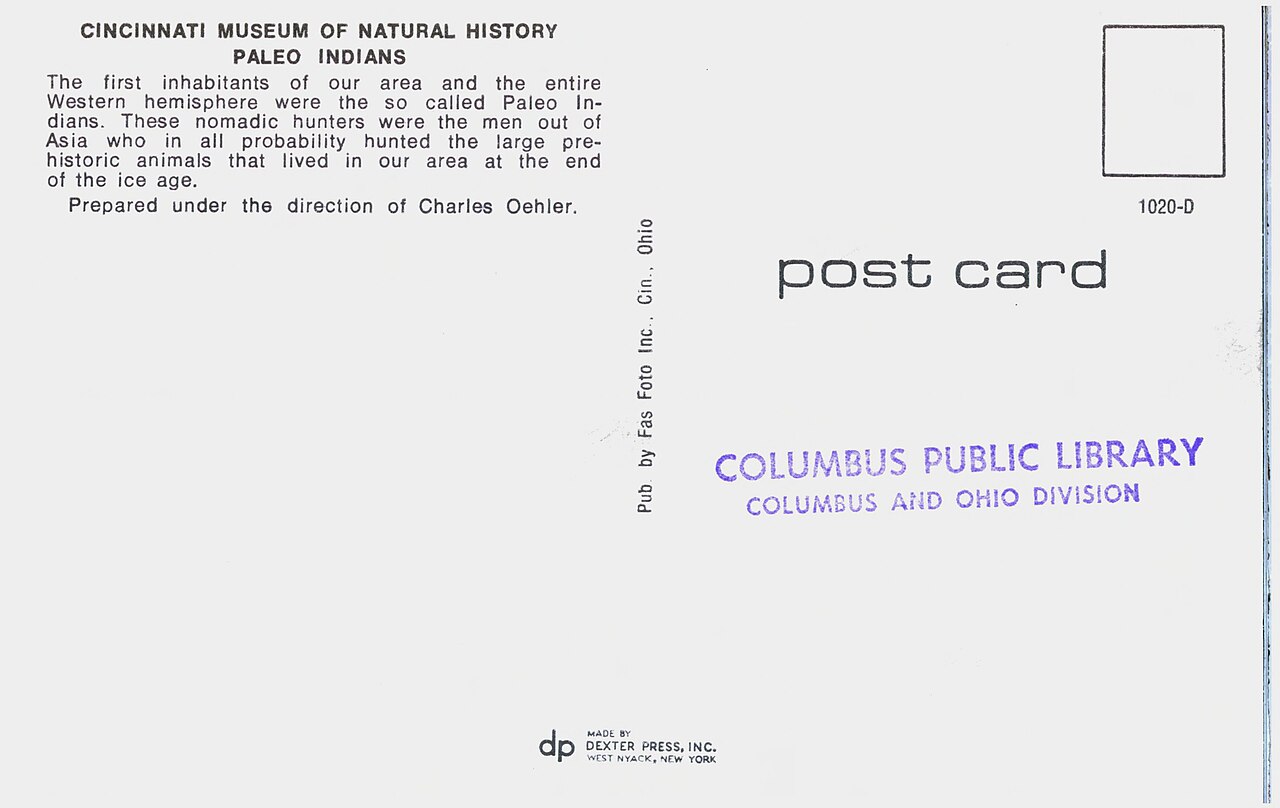
Paleo-Indians (also spelled Paleoindians) were the first peoples who entered and subsequently inhabited the Americas towards the end of the Late Pleistocene period. The term applies specifically to the lithic period in the Western Hemisphere and is distinct from the term Paleolithic. Small isolated groups of hunter-gatherers migrated alongside herds of large herbivores far into Alaska, with the earliest widely accepted dates for human presence in the Americas extending back to at least 15,000 BP and possibly earlier (e.g., 16,000–20,000 BP). The dates, routes, and number of migration waves of the peopling of the Americas remain subjects of ongoing debate.
- field
- Archaeology, Anthropology
- nationality
- First peoples of the Americas (originating from Siberia)
- known_for
- First inhabitants of the Americas; hunters of now-extinct megafauna; creators of fluted stone projectile points
Lore & Background
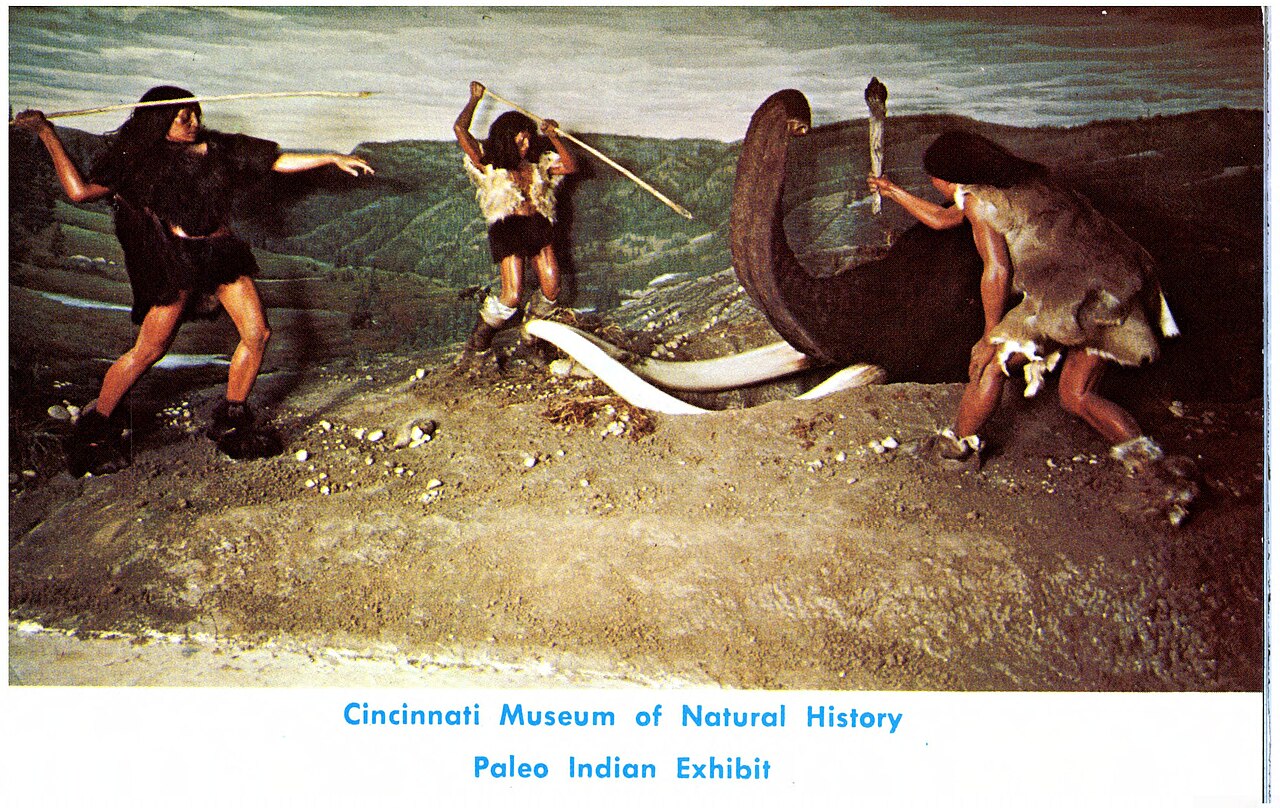
Paleo-Indians were the first peoples to enter and inhabit the Americas, arriving towards the end of the Late Pleistocene period. Small isolated groups of hunter-gatherers migrated alongside herds of large herbivores into Alaska. The earliest widely accepted dates for human presence in the Americas extend back to at least 15,000 BP and possibly earlier (e.g., 16,000–20,000 BP). People traveled on foot or used boats along the coastline, though the number of migration waves from the Bering Sea to the American continent is debated and not a settled fact.
Reader's Guide
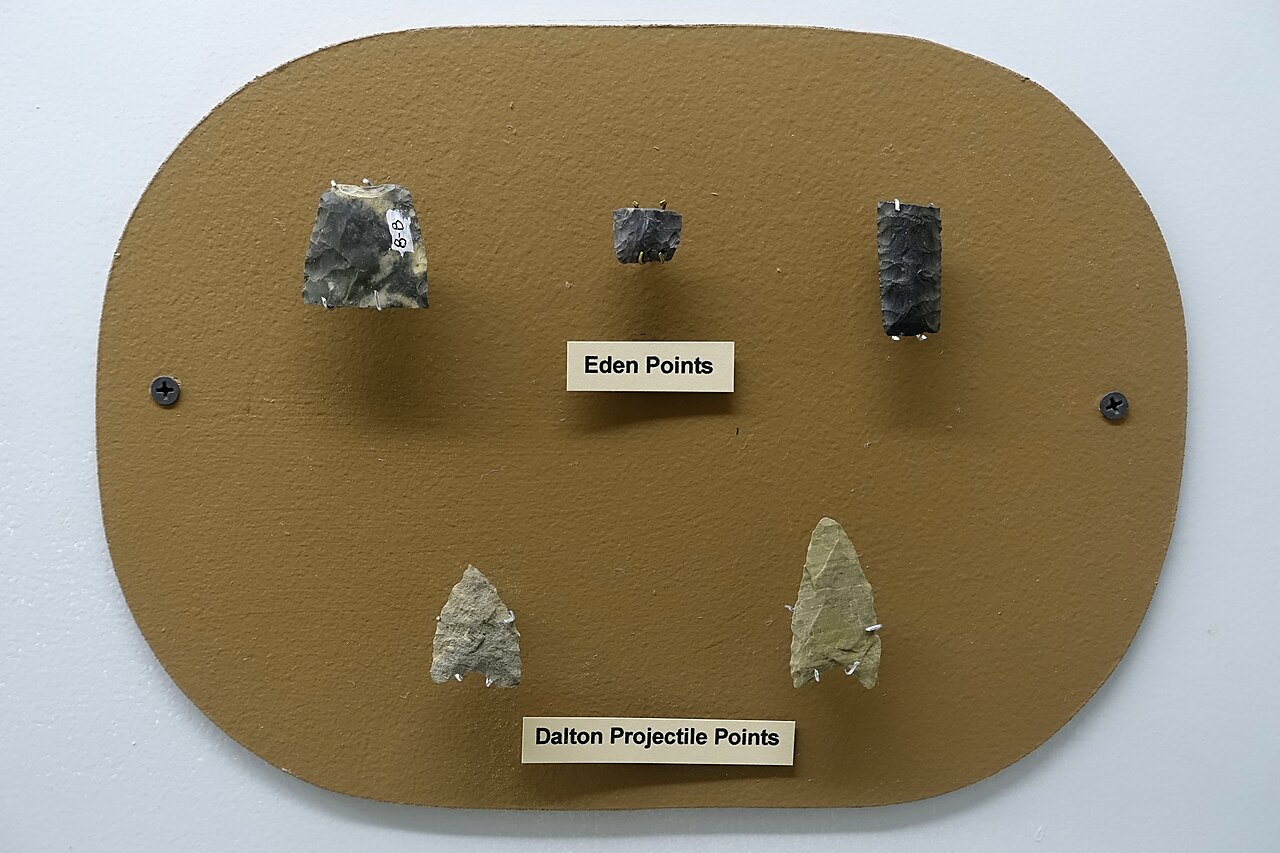
Paleo-Indians are significant as the first documented human inhabitants of the Americas, marking the beginning of human presence in the Western Hemisphere. Their stone tools, particularly projectile points and scrapers, provide the primary evidence of earliest human activity and are used by archaeologists to classify cultural periods. They lived alongside and hunted now-extinct megafauna, such as woolly mammoths and mastodons, and their potential role in the Late Pleistocene megafauna extinctions remains controversial. The term 'Paleoindian' was first coined by Frank H. H.
Did You Know?
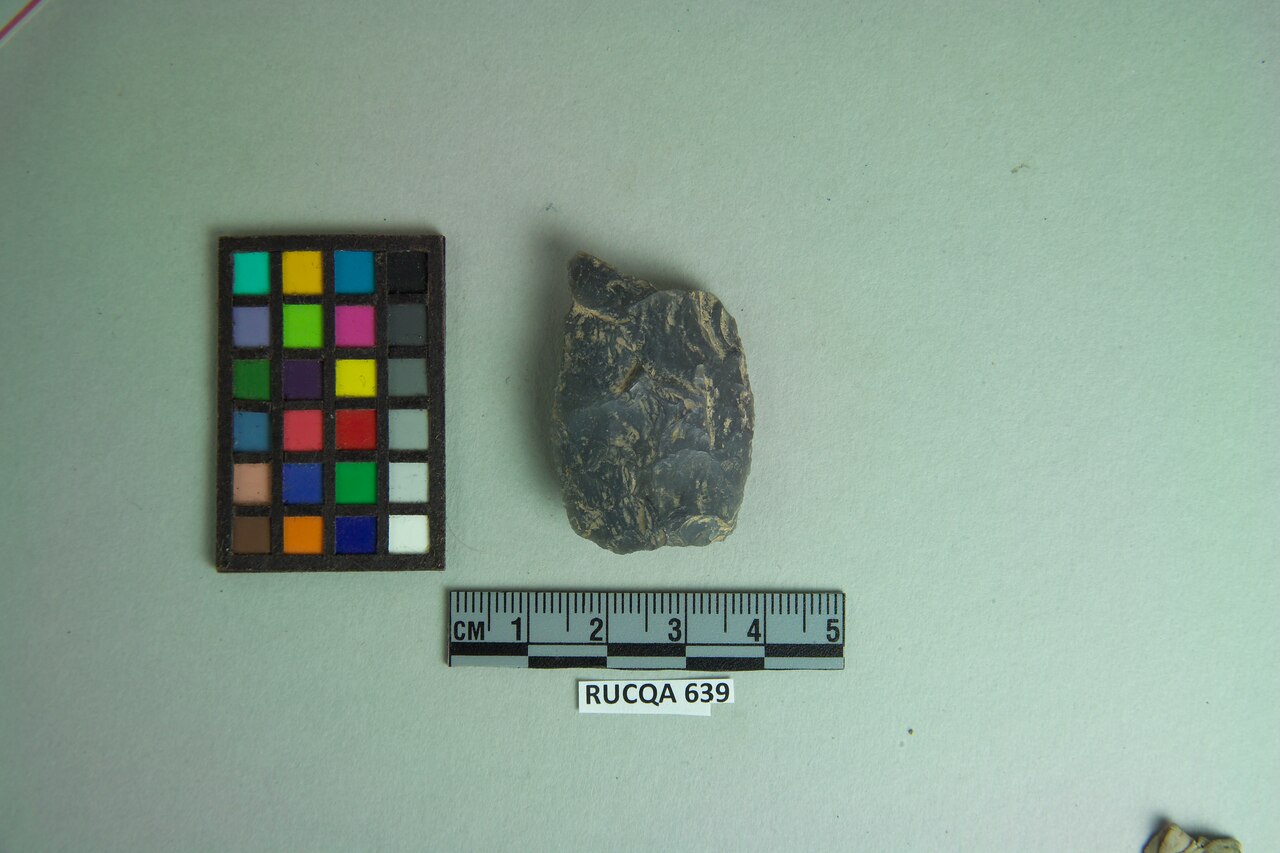
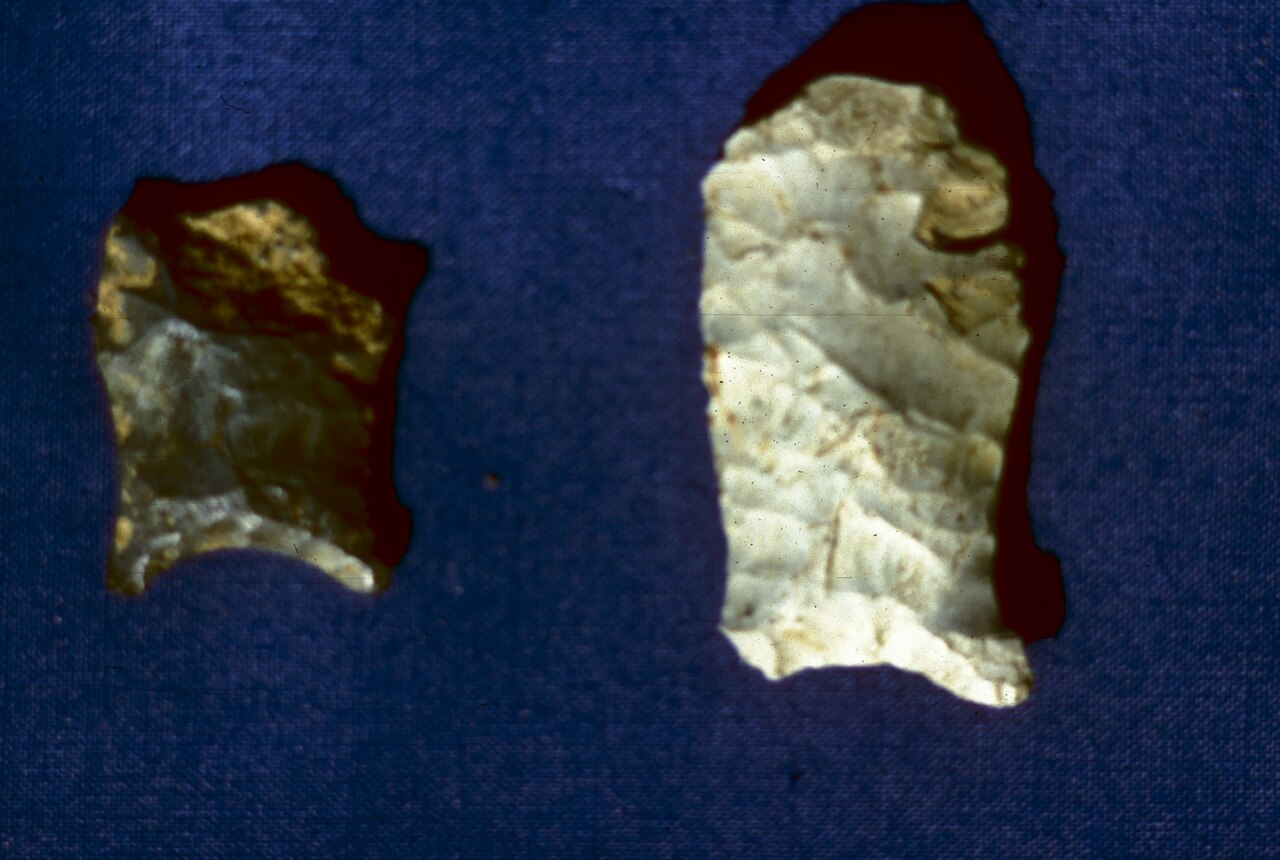
- Stone tools, particularly projectile points and scrapers, are the primary evidence of earliest human activity in the Americas.
Gallery
Frequently Asked Questions
Who are the Paleo-Indians?
The Paleo-Indians were the very first human groups to enter and settle in the Americas, originating from Siberia and arriving during the Late Pleistocene. They are distinct from the broader Paleolithic term and specifically refer to the earliest lithic-era peoples of the Western Hemisphere.
What are Paleo-Indians known for?
They are recognized as the first inhabitants of the Americas, skilled hunters of now-extinct megafauna, and the creators of distinctive fluted stone projectile points. Their small, mobile bands followed large herbivore herds across vast stretches of land, including deep into Alaska.
When did Paleo-Indians first arrive in the Americas?
The earliest widely accepted dates place human presence in the Americas at roughly 15,000 years before present, though some evidence pushes that window back to 16,000–20,000 BP. The exact timing, routes, and number of migration waves remain topics of active debate in archaeology and anthropology.
How did Paleo-Indians live and survive?
They existed as small, isolated hunter-gatherer groups that tracked herds of large herbivores across the landscape. Their toolkits centered on flaked and fluted stone points used for hunting, making them highly specialized predators of megafauna that no longer exist.
Why are Paleo-Indians important to the study of ancient civilizations?
They represent the foundational human chapter in the Americas, establishing the earliest cultural and technological layer of the Western Hemisphere. Understanding their migrations, subsistence strategies, and toolmaking provides the baseline against which all later Indigenous cultures of the continent are measured.
More in Ancient Civilizations 1-15
Spotted an error? Know more?
This is a living reference — every entry is fact-audited, and reader corrections feed straight into our audit queue. Suggest an edit · See this site's audit record