
Pannonian Avars
Eurasian nomads who ruled the Carpathian Basin for centuries.

via Wikipedia: Pannonian Avars · see source
The Pannonian Avars, also known as the Carpathian Avars, were a confederation of Eurasian nomads. They were also known as the Obri in the chronicles of the Rus, the Abaroi or Varchonitai, or Pseudo-Avars in Byzantine sources, and the Apar to the Göktürks. They established the Avar Khaganate, centred in the Carpathian Basin, from the late-6th to the early-9th centuries. They exerted influence and control over surrounding areas in Central, Eastern and Southeastern Europe. They are probably best known for their invasions and destruction in the Avar–Byzantine wars from 568 to 626 and for their influence on the Slavic migrations to the Balkans. Recent archaeogenetic studies indicate that the Pannonian Avars likely originated within the borders of present-day Mongolia, with primarily Ancient Northeast Asian ancestry, similar to the forebears of modern-day people from Mongolia and the Amur River region in Manchuria.
- Also known as
- Obri, Abaroi, Varchonitai, Pseudo-Avars, Apar
- Period of Khaganate
- late 6th to early 9th centuries
- Region
- Carpathian Basin (Pannonia)
- Known for
- Avar–Byzantine wars (568–626), influence on Slavic migrations
- Possible origin
- Remnants of the Rouran Khaganate, accompanied by other steppe peoples
- Ancestry
- Primarily Ancient Northeast Asian, similar to modern Mongolians and Amur River p
Lore & Background
The earliest clear reference to the Avar ethnonym comes from Priscus the Rhetor (420s–after 472), who recounts that in c. 463 the Šaragurs and Onogurs were attacked by the Sabirs, who had been attacked by the Avars. In turn, the Avars had been driven off by people fleeing 'man-eating griffins' coming from 'the ocean' (Priscus Fr 40). The next author to discuss the Avars, Menander Protector, wrote of Göktürk embassies to Constantinople in 565 and 568. The Turks appeared angry at the Byzantines for having made an alliance with the Avars, whom the Turks saw as their subjects and slaves. Turxanthos, a Turk prince, calls the Avars 'Varchonites' and 'escaped slaves of the Turks', who numbered 'about 20 thousand' (Menander Fr 43). Theophylact Simocatta, writing around 629, quotes a triumph letter from Turxanthos claiming that the Avars were actually 'Pseudo-Avars'—fugitives from the Var and Chunni tribes who falsely adopted the name Avar to intimidate other peoples. Theophylact states that when the Var and Chunni fled to the Barsils, Onogurs, and Sabirs, those peoples panicked, thinking they were real Avars, and honored them with gifts. The Var and Chunni then appropriated the error and named themselves Avars. Some scholars, such as Dobrovits, have questioned the authenticity of Theophylact's account, arguing it was borrowed from Menander to meet political needs of the time.
Reader's Guide
The Pannonian Avars are significant as a major nomadic power that shaped early medieval Central, Eastern, and Southeastern Europe. Their Avar Khaganate controlled the Carpathian Basin for over two centuries, engaging in prolonged conflict with the Byzantine Empire and influencing the movement of Slavic peoples into the Balkans. The debate over their origins—whether they were genuine Avars descended from the Rouran Khaganate or 'Pseudo-Avars' as claimed by the Göktürks—remains unresolved in the source article. Recent archaeogenetic studies have clarified their likely Mongolian origin, but the historical record, including conflicting accounts from Priscus, Menander, and Theophylact, preserves significant uncertainty. Their legacy includes their role in the Avar–Byzantine wars and their possible connection to the Rouran Khaganate's collapse. The 18th-century historian Joseph de Guignes postulates a link between the Avars of European history with the Rouran Khaganate of Inner Asia based on a coincidence between Tardan Khan's letter to Constantinople and events recorded in Chinese sources, notably the Wei Shu and Bei Shi. However, the linguist János Harmatta rejected the identification of the Avars with the Rouran on the basis that the events described in Chinese sources occurred 50 years earlier than those in Theophylact's account.
Did You Know?
- The name 'Pannonian Avars' is used to distinguish them from the Avars of the Caucasus, a separate people with whom the Pannonian Avars may or may not have had links.
- Theophylact Simocatta, writing around 629, claimed the Avars were actually 'Pseudo-Avars'—fugitives from the Var and Chunni tribes who falsely adopted the name Avar to intimidate other peoples.
- Turxanthos, a Turk prince, called the Avars 'Varchonites' and 'escaped slaves of the Turks', numbering 'about 20 thousand' (Menander Fr 43).
- Recent archaeogenetic studies indicate that the Pannonian Avars likely originated within present-day Mongolia, with primarily Ancient Northeast Asian ancestry.
- The 18th-century historian Joseph de Guignes postulated a link between the European Avars and the Rouran Khaganate of Inner Asia, but linguist János Harmatta rejected this identification.
Genetic Roots and the Eastern Steppe Migration
Archaeogenetic research has painted a striking picture of where the Pannonian Avars truly came from. Their genetic profile reveals predominantly Ancient Northeast Asian ancestry, closely resembling the ancestral populations of modern Mongolians and peoples from the Amur River region in Manchuria. This suggests their roots lay within what is now Mongolia, from which they undertook a rapid migration across the vast Eastern Eurasian Steppe before settling in the Carpathian Basin. Scholars have further linked their core group to the surviving remnants of the Rouran Khaganate, a powerful steppe polity that had been overthrown. These Rouran survivors were not alone in their westward journey; they were accompanied by various other Eurasian steppe peoples, forming a confederation rather than a single ethnic unit. The name Pannonian itself reflects their eventual settlement in the upper Danube basin, a region the Romans had once called Pannonia. This designation also serves to separate them from a distinct group of Avars in the Caucasus, whose connection to the Carpathian group remains uncertain.
The Göktürk Dispute and the Pseudo-Avar Question
The relationship between the Pannonian Avars and the Göktürk Empire was defined by tension and contested identity. When Turkic embassies reached Constantinople in 565 and 568, they expressed fury that the Byzantines had allied with the Avars, whom the Turks considered their own subjects and slaves. A Turkic prince, Turxanthos, called them Varchonites and escaped slaves numbering about twenty thousand. Theophylact Simocatta, writing around 629, preserved a more elaborate narrative: after the Göktürk Chagan defeated the Hephthalites and enslaved the Avar nation, some Avars fled to the city of Taugast while others sought refuge among the Goguryeo. A smaller group of Var and Chunni then migrated westward during Justinian's reign, settling in Europe and adopting the name Avar after local Hunnic peoples mistook them for the feared Avar tribe and offered them gifts. Scholars interpret the Göktürk insistence on calling the western group pseudo-Avars as a political boast, asserting that the true Avars remained loyal subjects farther east. Old Turkic inscriptions honoring Kul Tigin and Bilge Qaghan do reference a political name Apar, though Armenian sources suggest this term may have denoted a geographical area in Khorasan rather than an ethnic group.
The Khaganate and European Dominance
From the late sixth century through the early ninth century, the Pannonian Avars maintained the Avar Khaganate, a confederation of Eurasian nomads centered in the Carpathian Basin. This political entity projected power well beyond its core territory, exerting influence and direct control over wide swaths of Central, Eastern, and Southeastern Europe. The Avars entered the historical record in the mid-sixth century, appearing on the Pontic-Caspian steppe as a people seeking to escape Göktürk domination. Their most dramatic and destructive engagements came during the Avar-Byzantine wars spanning from 568 to 626, a period marked by repeated invasions and widespread devastation across the Balkans. Beyond their military campaigns, the Avars played a significant role in shaping the broader demographic landscape of the region, particularly in their influence on the Slavic migrations into the Balkans. The confederation's reach and the fear it inspired are reflected in the many names by which neighboring cultures knew them: the Rus chronicles called them Obri, Byzantine Greek sources referred to them as Abaroi or Varchonitai, and Old Turkic records identified them as Apar. These varied designations underscore just how widely the Avar presence was felt across the medieval world.
Priscus, the Griffins, and the Question of Identity
The earliest clear mention of the Avar ethnonym appears in Priscus the Rhetor, who recorded that around 463 the Šaragurs and Onogurs were attacked by the Sabirs, who in turn had been driven back by the Avars. Priscus attributes the Avars' own flight to a terrifying encounter with man-eating griffins from the ocean, a detail that likely reflects mythological embellishment rather than literal truth. While his account offers a glimpse into the ethno-political landscape of the Don-Kuban-Volga region following the collapse of the Hunnic empire, no definitive conclusions can be drawn. The historian Denis Sinor has argued that whoever the Avars referenced by Priscus were, they differed substantially from the Avars who emerged a full century later during Justinian's reign. This gap raises important questions about whether the name Avar was applied to genuinely distinct groups across different eras. The ethnonym's first appearance in the mid-fifth century, contrasted with the Pannonian Avars' entry into the historical scene in the mid-sixth century, leaves a tantalizing but unresolved thread. The confusion is compounded by the possibility that the name was borrowed or reassigned, as the Var and Chunni narrative suggests, making the origins of the Pannonian group a matter of scholarly debate.
Gallery
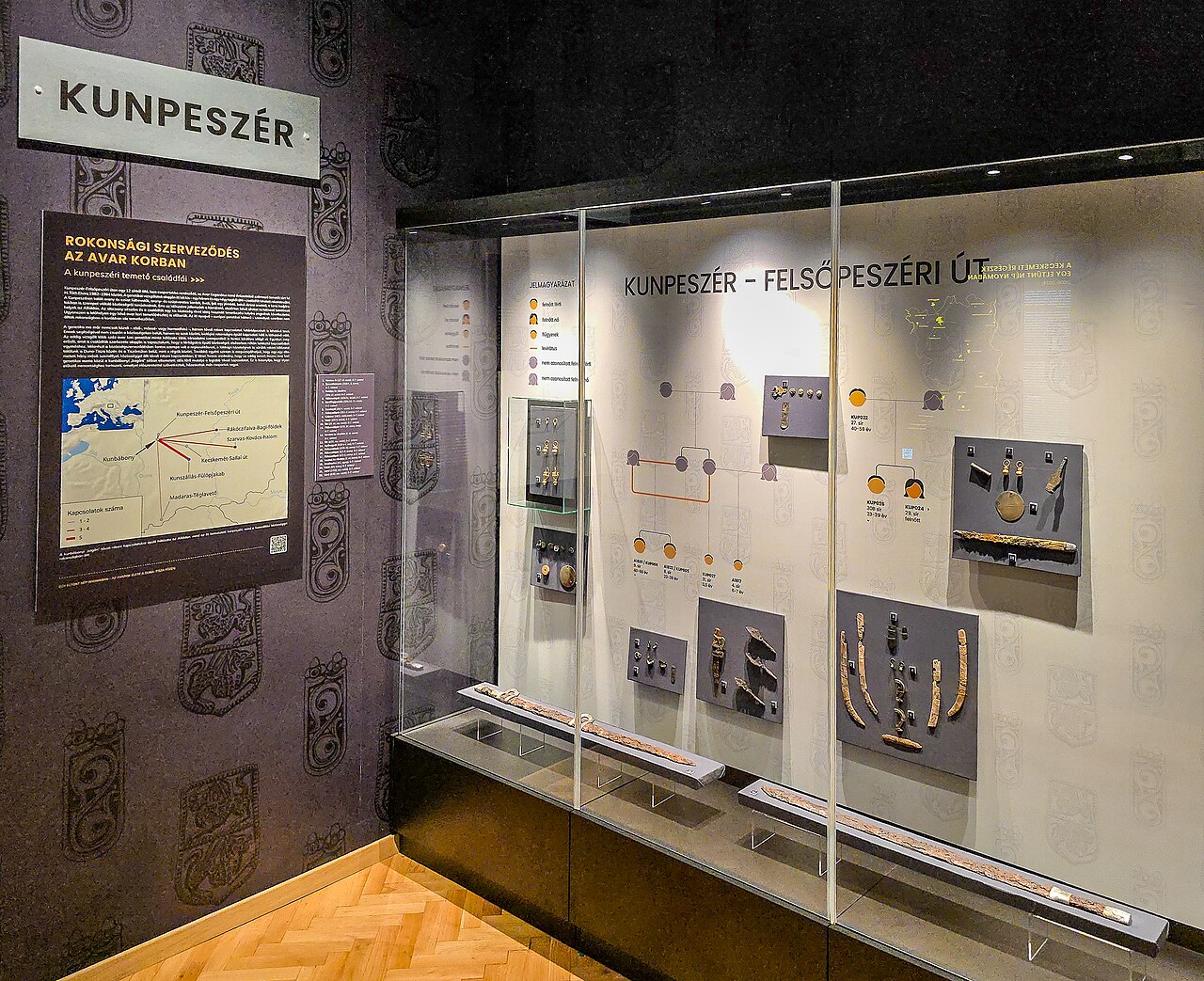

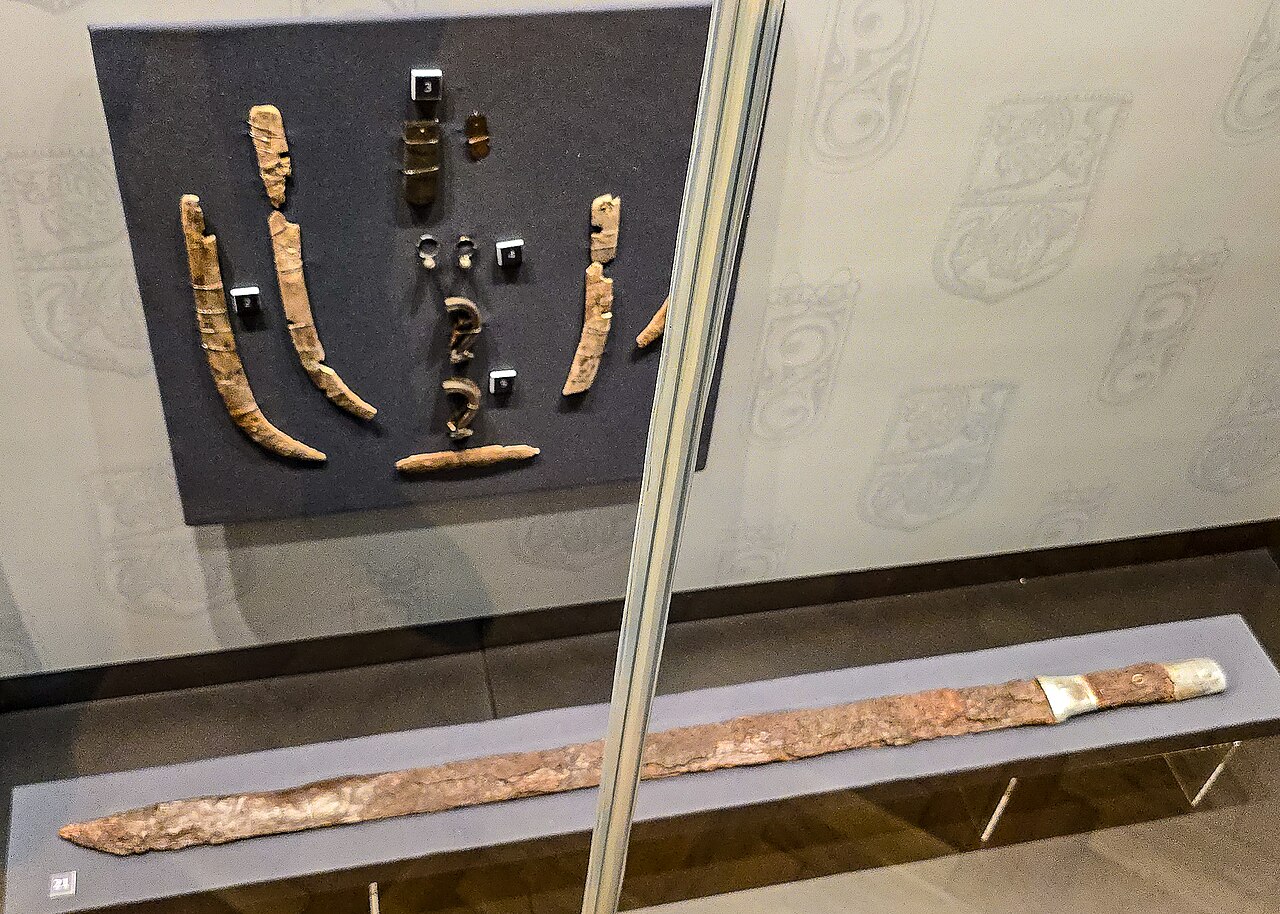
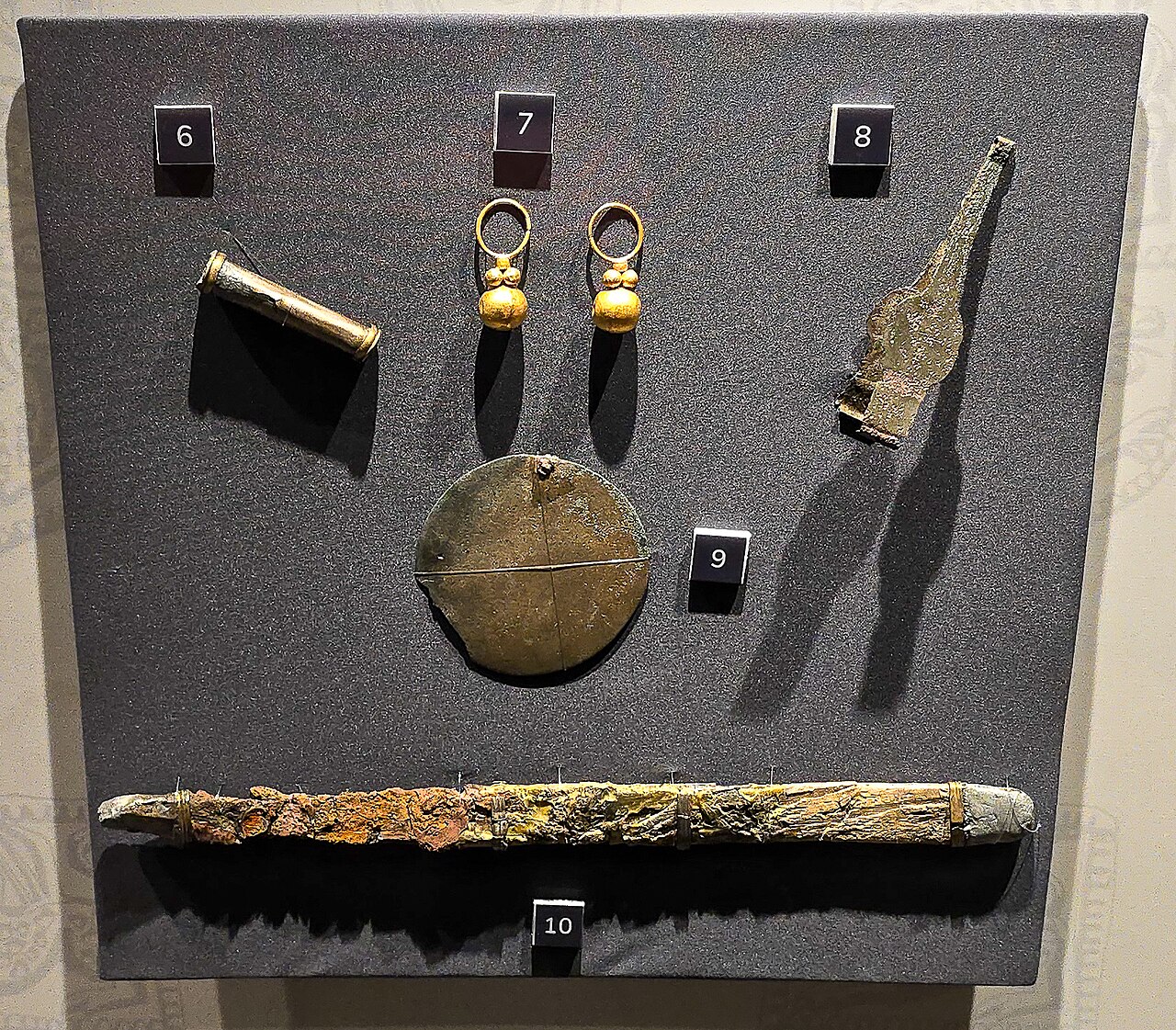
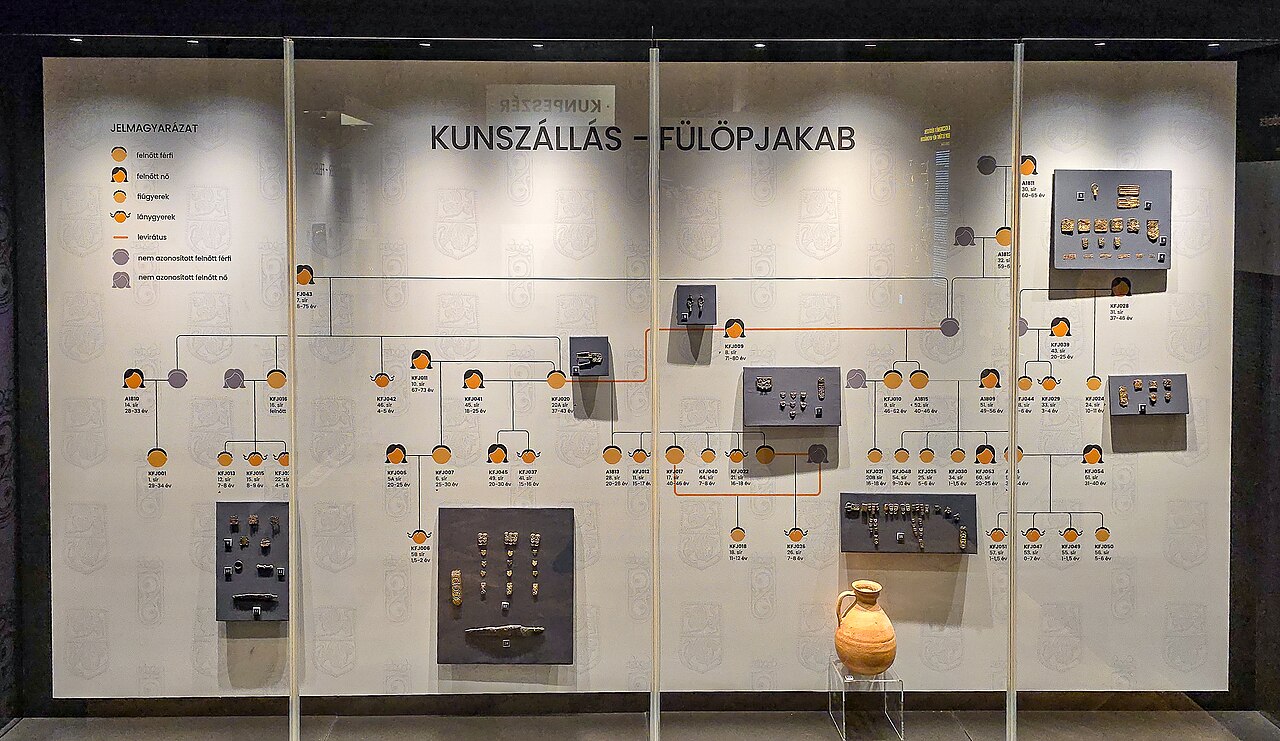
Frequently Asked Questions
Who are the Pannonian Avars?
They were a confederation of Eurasian nomadic peoples who built the Avar Khaganate in the Carpathian Basin. Their rule stretched across Central, Eastern, and Southeastern Europe from the late 6th through the early 9th centuries.
What were the Pannonian Avars known for?
Their most famous legacy is the wave of invasions and destruction during the Avar–Byzantine wars between 568 and 626. They also significantly shaped the patterns of Slavic migration throughout the region.
What other names did different cultures use for the Pannonian Avars?
Byzantine writers called them Abaroi, Varchonitai, or Pseudo-Avars, while Rus chronicles referred to them as Obri. The Göktürks used the name Apar for the same group.
How did the Pannonian Avars' story end?
The Khaganate that had dominated the Carpathian Basin for roughly two centuries gradually fragmented and fell by the early 9th century. As a loose confederation of steppe peoples, possibly descended from remnants of the Rouran Khaganate, they lacked the centralized structure to withstand the pressures that dissolved their political unity.
Why are the Pannonian Avars important to understanding medieval Europe?
They controlled a vast swath of the continent for about 200 years and directly influenced how Slavic peoples settled and spread. Their ancestry traces primarily to Ancient Northeast Asian origins, closely resembling modern Mongolian and Amur River populations, which makes them a key link between steppe nomadism and European history.
More in Ancient Civilizations 1-15
Spotted an error? Know more?
This is a living reference — every entry is fact-audited, and reader corrections feed straight into our audit queue. Suggest an edit · See this site's audit record