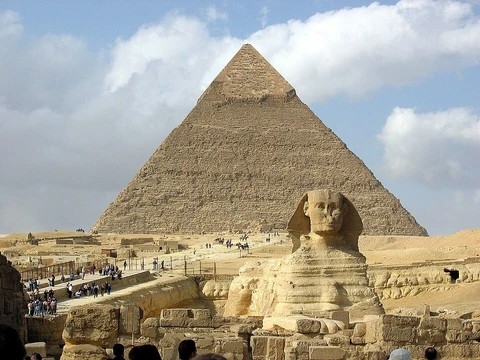
Sumer
Earliest known civilization, emerging in southern Mesopotamia.

Original: Phirosiberia Derivative: باسم · CC BY 3.0
Sumer is the earliest known civilization, located in southern Mesopotamia (now south-central Iraq), emerging during the Chalcolithic and early Bronze Ages between the 5th and 4th millennium BC. It is one of the cradles of civilization, along with Egypt, the Indus Valley, the Erligang culture of the Yellow River valley, Caral-Supe, and Mesoamerica. Living along the valleys of the Tigris and Euphrates rivers, Sumerian farmers grew an abundance of grain and other crops, enabling them to form urban settlements. The world's earliest known texts come from the Sumerian cities of Uruk and Jemdet Nasr, dating to between c.
- Earliest known civilization
- Southern Mesopotamia (now south-central Iraq)
- Period
- Chalcolithic and early Bronze Ages, 5th–4th millennium BC
- Language
- Sumerian (non-Semitic, non-Indo-European agglutinative language isolate)
- Known for
- Cradle of civilization, earliest known writing, urban settlements
Lore & Background
The term 'Sumer' comes from the Akkadian name for the Sumerians, the ancient non-Semitic-speaking inhabitants of southern Mesopotamia. The Sumerians called their land 'Kengir' (Country of the noble lords) and their language 'Emegir'. Most historians suggest Sumer was first permanently settled between c. 5500 and c. Other theories propose a North African origin from the Green Sahara, a Caucasus homeland, or an origin from Dilmun (possibly Bahrain), but none are generally accepted. A prehistoric people called the 'Proto-Euphrateans' or 'Ubaidians' are theorized to have been the first civilizing force in Sumer, draining marshes and developing trade and industries.
Reader's Guide
Sumer's significance lies in being the earliest known civilization, providing the first evidence of urban settlements, writing, and complex state organization. Its city-states, such as Uruk, Ur, and Eridu, were centers of innovation in agriculture, trade, and governance, with temples dedicated to patron deities and ruled by priestly governors or kings. The world's earliest known texts, from Uruk and Jemdet Nasr, mark the beginning of recorded history. Sumer's legacy includes its influence on later Mesopotamian cultures, such as the Akkadian Empire and the Third Dynasty of Ur, and the preservation of Sumerian as a sacred language long after its political decline. The debates over Sumerian origins—whether from West Asia, North Africa, the Caucasus, or Dilmun—highlight the complexity of early human migration and cultural development. Archaeological discoveries from the late 19th and early 20th centuries, including those by de Sarzec, Peters, and Koldewey, have been crucial in reconstructing Sumerian history. Sumer remains a foundational reference for understanding the rise of civilization in the ancient Near East.
Did You Know?
- The Sumerians called their land 'Kengir', meaning 'Country of the noble lords'.
Origins & the Question of Ancestry
The question of where the Sumerians truly came from remains one of the most debated puzzles in ancient history. The mainstream view among historians places their permanent settlement in southern Mesopotamia between roughly 5500 and 3300 BC, attributing it to a West Asian people who already spoke Sumerian, a non-Semitic, non-Indo-European agglutinative language isolate. Evidence for this reading points to the Sumerian names given to cities, rivers, and basic occupations. Yet alternative theories persist. Some scholars have floated the idea of a North African migration from the Green Sahara, though this runs counter to the strong evidence that farming first took root in the Fertile Crescent. Others have linked the Sumerians to the Hurrians and Urartians of the Caucasus, a connection that has not gained broad acceptance. A more intriguing possibility draws on Sumerian legends that name Dilmun, the island of Bahrain, as the ancestral homeland, a claim supported by the discovery of Mesopotamian-style round disks there, though never definitively proven. Before the Sumerians themselves, the region was shaped by the Ubaidians, prehistoric peoples who drained marshes, developed trade, and established weaving, leatherwork, metalwork, masonry, and pottery industries, laying the groundwork for everything that followed.
The Birth of Urban Life
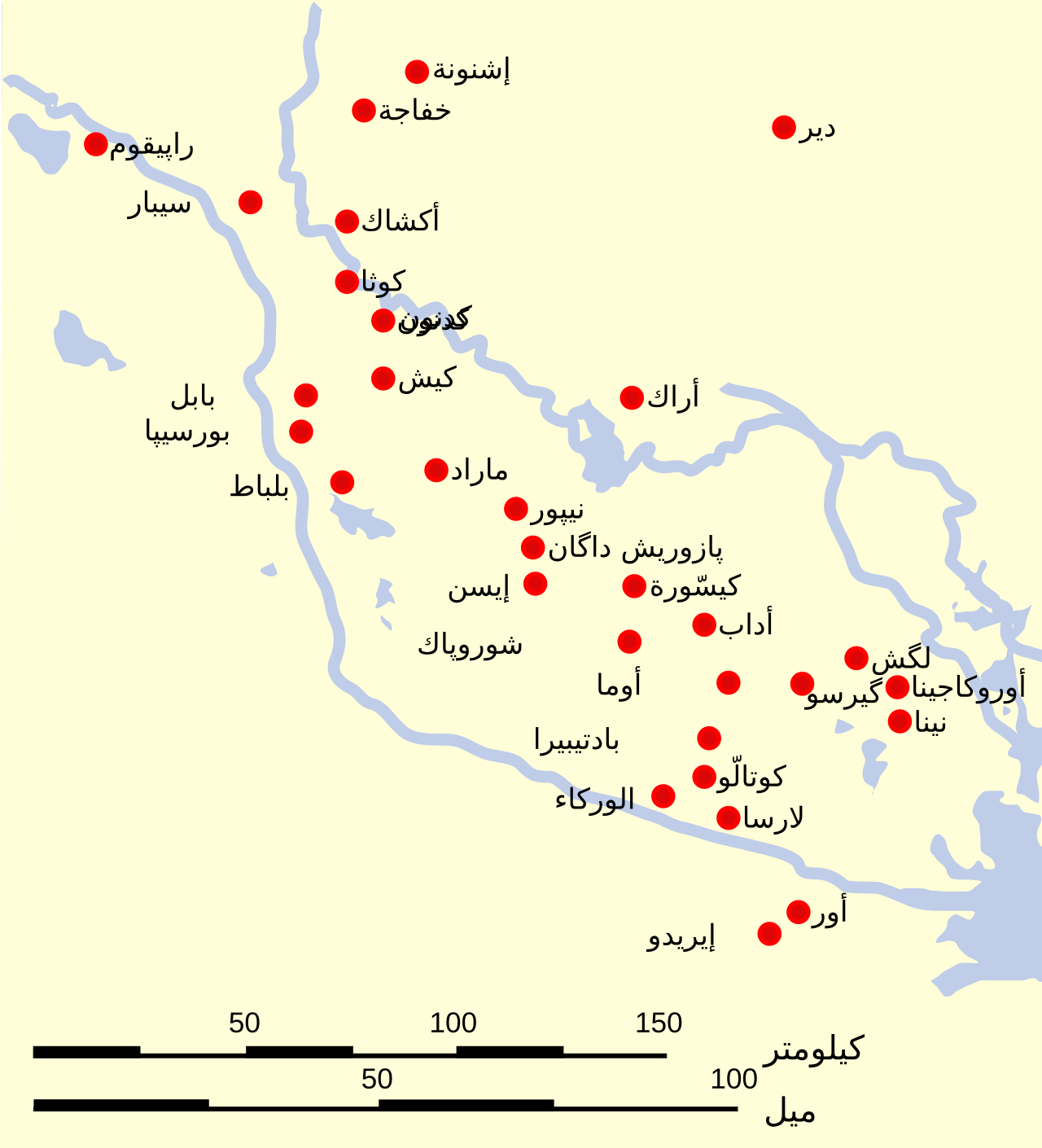
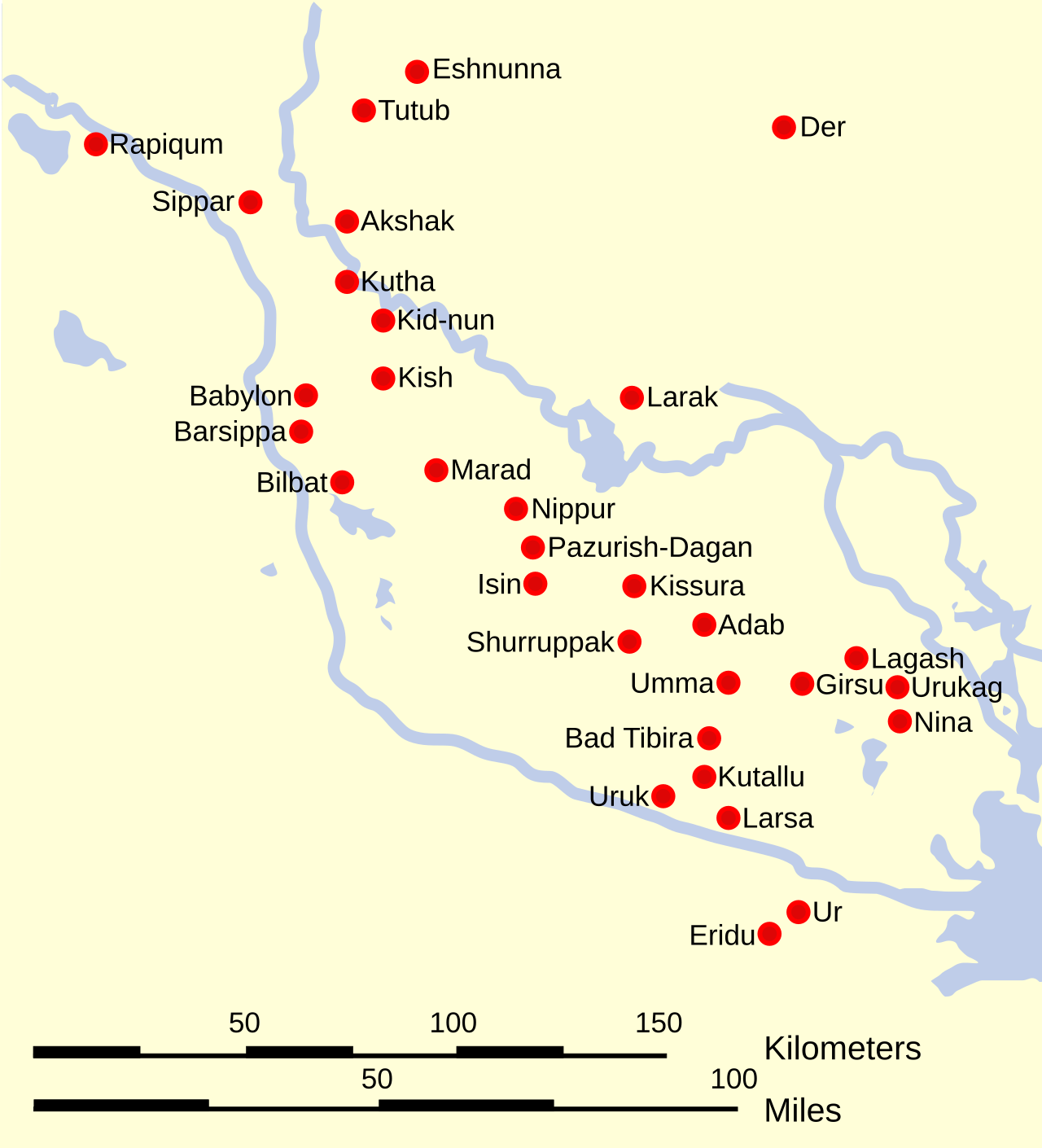
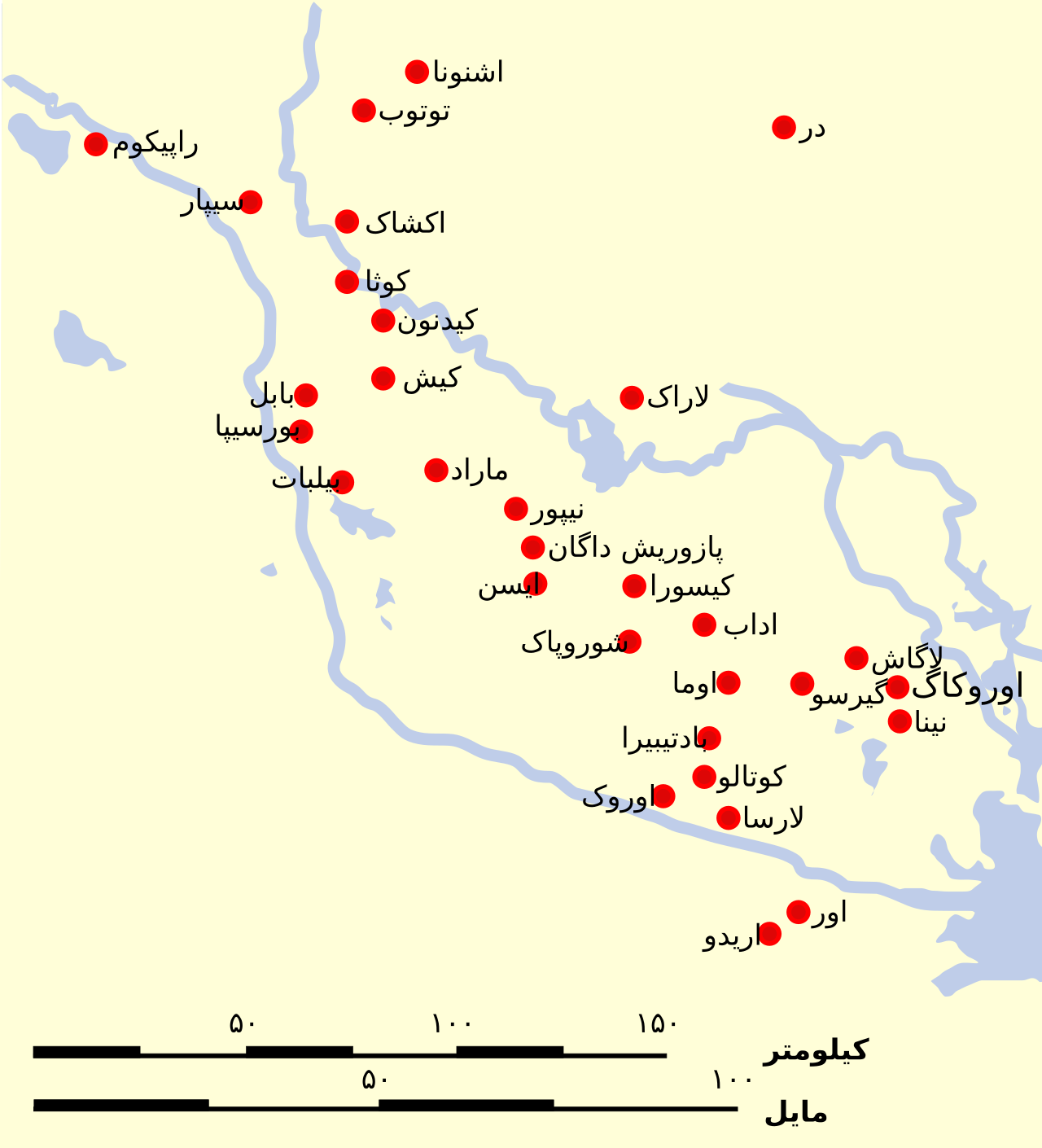
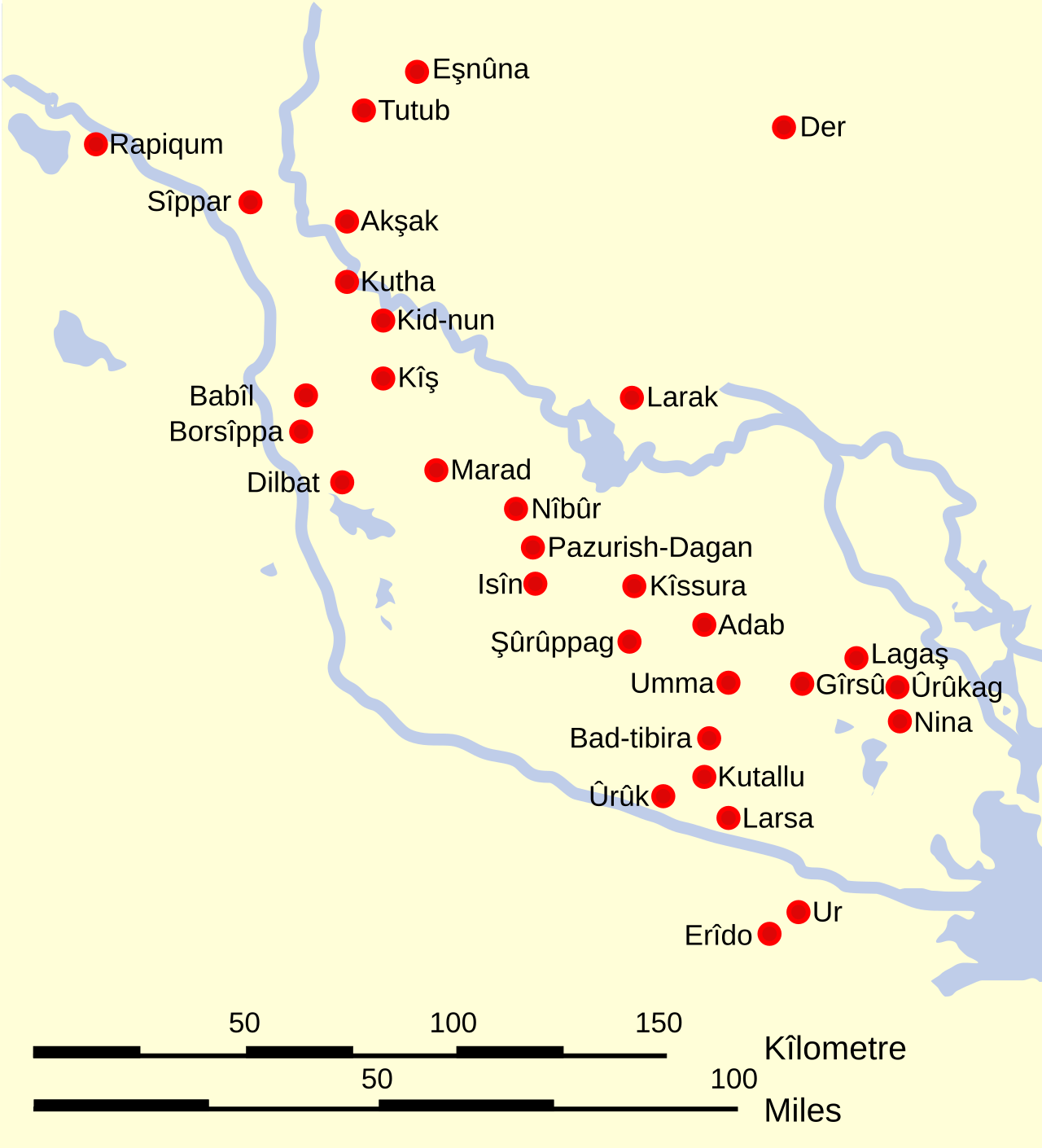
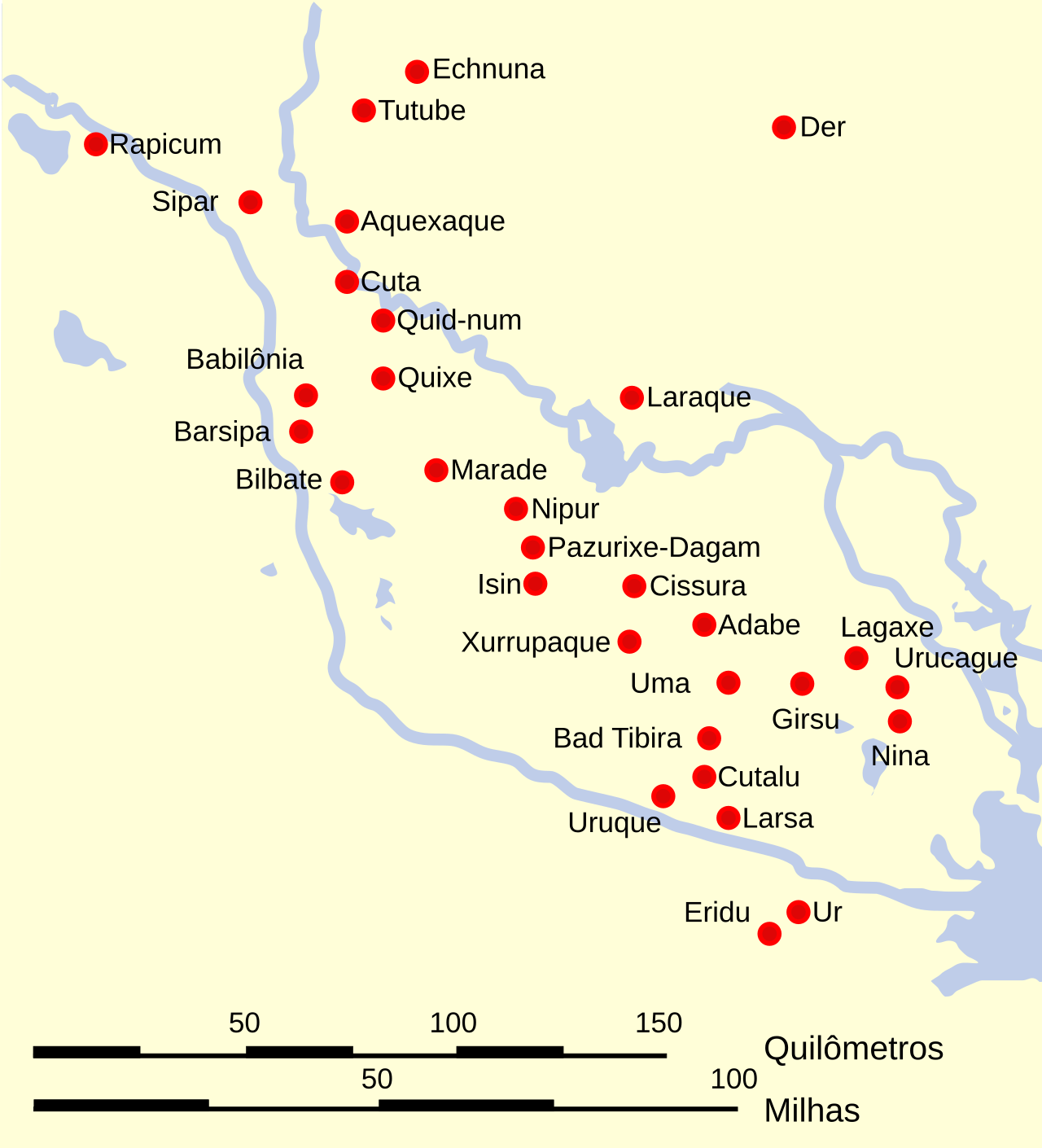
Sumer's rise from farming communities to the world's first true cities was powered by the Tigris and Euphrates rivers. Sumerian farmers cultivated vast quantities of grain and other crops along these waterways, and the surplus they produced became the engine that made permanent urban settlements possible. This process crystallized during the Uruk period of the fourth millennium BC and carried forward through the Jemdet Nasr and Early Dynastic periods. The city of Eridu, situated on the coast of the Persian Gulf, stands as one of the oldest known urban centers, where scholars believe three distinct ways of life merged. Peasant Ubaidian farmers, who built mud-brick huts and practiced irrigation, lived alongside mobile Semitic pastoralists who followed flocks of sheep and goats in black tents, while fisher folk dwelt in reed huts scattered through the marshlands. By the late fourth millennium BC, the plain had fragmented into numerous independent city-states, each separated by canals and boundary stones. Every city was organized around a temple devoted to its own patron deity, and governance fell to a priestly governor called an ensi or a king known as a lugal, whose authority was inseparable from the religious ceremonies of the community.
Language, Naming & Identity
The name "Sumer" itself is a gift from the conquerors. The Akkadians, an East Semitic-speaking people who eventually overran the Sumerian city-states, applied the term šumeru to the non-Semitic-speaking inhabitants of southern Mesopotamia, and that label stuck in the historical record. The Sumerians, however, had their own words. In their inscriptions they called their land Kengir, meaning "Country of the noble lords," and their tongue Emegir. The phonological journey of šumeru is uncertain, but related forms appear in Hebrew (Šinʿar), Egyptian (Sngr), and Hittite (Šanhar), all pointing to southern Mesopotamia, possibly representing western variants of the same root. The Sumerian language itself defies easy classification: it is an agglutinative isolate, sharing no proven genetic relationship with Semitic or Indo-European families. This linguistic uniqueness has fueled centuries of speculation about the Sumerians' origins, from the Caucasus to the Persian Gulf coast, yet no theory has achieved consensus. What is clear is that Sumerian endured long after political power shifted. Even after the Akkadian conquest around 2270 BC, the language survived as a sacred tongue, outlasting the very civilization that first spoke it.
Conquest, Resilience & the Long Shadow
The political story of Sumer is one of repeated upheaval and remarkable cultural persistence. Native Sumerian rule gradually eroded as Semitic states from the northwest expanded their influence, culminating in the conquest of the Sumerian city-states by the Akkadian Empire around 2270 BC on the short chronology. Yet the fall of political power did not silence Sumerian culture. The language continued as a sacred tongue well into the Akkadian era, and a brief but significant revival of native governance came with the Third Dynasty of Ur, roughly 2100 to 2000 BC, when Sumerian rulers reclaimed the throne for about a century. Even so, Akkadian remained in active use alongside Sumerian for a time. The Sumerian legacy in the written record is equally profound: the world's earliest known texts, emerging from Uruk and Jemdet Nasr between roughly 3350 and 2500 BC, followed a long period of proto-writing stretching back to around 4000 BC. Reliable historical records, however, only begin with Enmebaragesi of the Early Dynastic I period. Sumer's place among the cradles of civilization, alongside Egypt, the Indus Valley, the Erligang culture, Caral-Supe, and Mesoamerica, ensures its influence radiates far beyond the Tigris and Euphrates.
Gallery

Frequently Asked Questions
Who is Sumer?
Sumer is the earliest known civilization, having emerged in the southern plains of Mesopotamia (modern-day south-central Iraq) during the Chalcolithic and early Bronze Ages, roughly the 5th through 4th millennium BC. It is one of the recognized cradles of civilization alongside Egypt, the Indus Valley, the Erligang culture, Caral-Supe, and Mesoamerica.
What are Sumer's powers/role?
Sumer's defining contributions include the invention of the world's earliest known writing system, the development of true urban settlements, and large-scale grain agriculture along the Tigris and Euphrates rivers. Its cities, particularly Uruk and Jemdet Nasr, produced the oldest surviving texts in human history.
How does Sumer's story end?
Sumer as an independent political entity gradually lost its autonomy when the Akkadian Empire under Sargon conquered its city-states around 2334 BC. Its cultural and linguistic legacy persisted for centuries, but the distinct Sumerian political identity was ultimately absorbed into successive Mesopotamian empires.
Why is Sumer important?
Sumer is considered foundational to recorded human history because it produced the first cities, the first known writing, and the first complex urban societies. Without Sumer, the trajectory of recorded history, law, and organized governance would look fundamentally different.
What language does Sumer use?
The Sumerians spoke Sumerian, an agglutinative language isolate that belongs to neither the Semitic nor the Indo-European language families. It remains one of the few ancient languages whose full genetic classification is still debated by linguists.
More in Ancient Civilizations 1-15
Spotted an error? Know more?
This is a living reference — every entry is fact-audited, and reader corrections feed straight into our audit queue. Suggest an edit · See this site's audit record