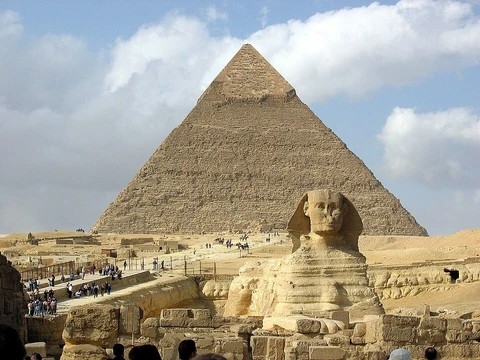
Prehistory
Human history before written records, studied through material evidence.

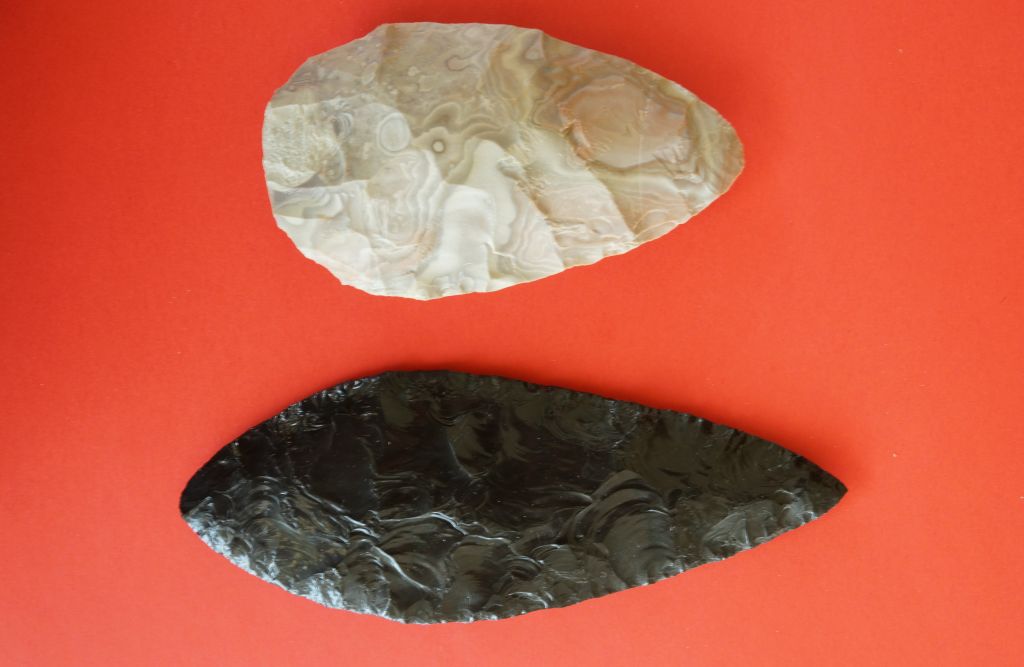
Palauenc05 · CC BY-SA 4.0
Prehistory, also referred to as pre-literary history, is the period of human history from the first known use of stone tools by hominins approximately 3.3 million years ago until the invention of writing systems. It is studied through material remains and archaeological evidence rather than written records, and its end date varies by region, occurring as recently as the 1870s in some areas.
- field
- Archaeology, Anthropology
- known_for
- Period of human history before written records
- beginning
- c. 3.3 million years ago
Lore & Background
The three-age system (Stone Age, Bronze Age, Iron Age) was systematized in the 19th century by British, French, German, and Scandinavian scholars. Prehistory is anonymous, dealing with archaeological cultures rather than named individuals or nations, and its labels like 'Neanderthal' or 'Iron Age' are modern and sometimes debated.
Reader's Guide
Prehistory is significant because it covers over 99% of human history, from the earliest stone tools to the development of writing. It relies on interdisciplinary research from archaeology, anthropology, genetics, linguistics, and natural sciences. The term remains useful for distinguishing the type of work archaeologists do, though some historians have questioned its use. The three-age system is applied mainly to Eurasia and North Africa, not to regions where metalworking arrived abruptly from contact with Eurasian cultures.
Did You Know?
- The earliest known writing systems appeared approximately 5,200 years ago.
- In New Guinea, the end of prehistory is set in the 1870s, based on the work of Russian anthropologist Nicholai Miklukho-Maklai.
Gallery
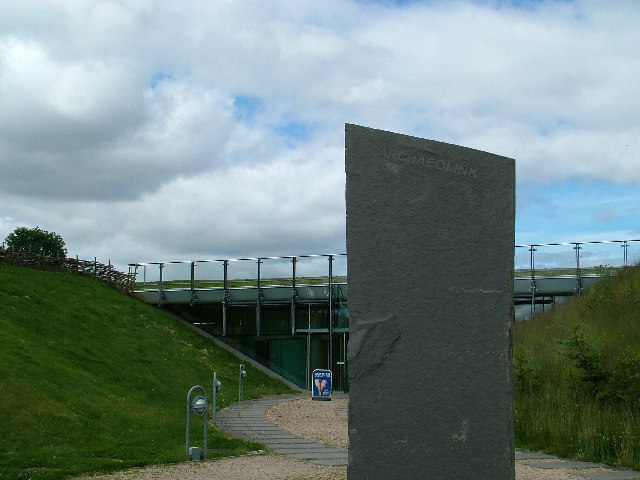

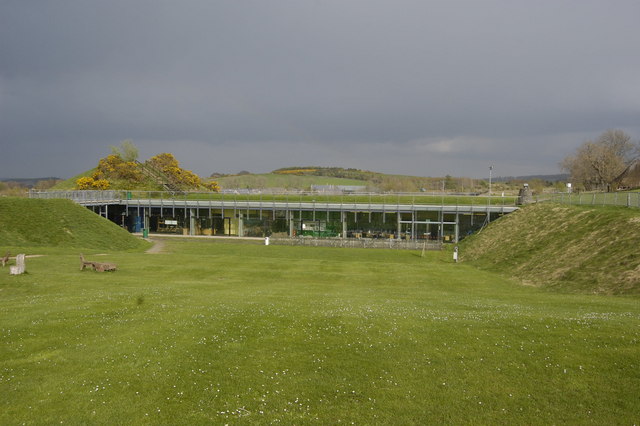
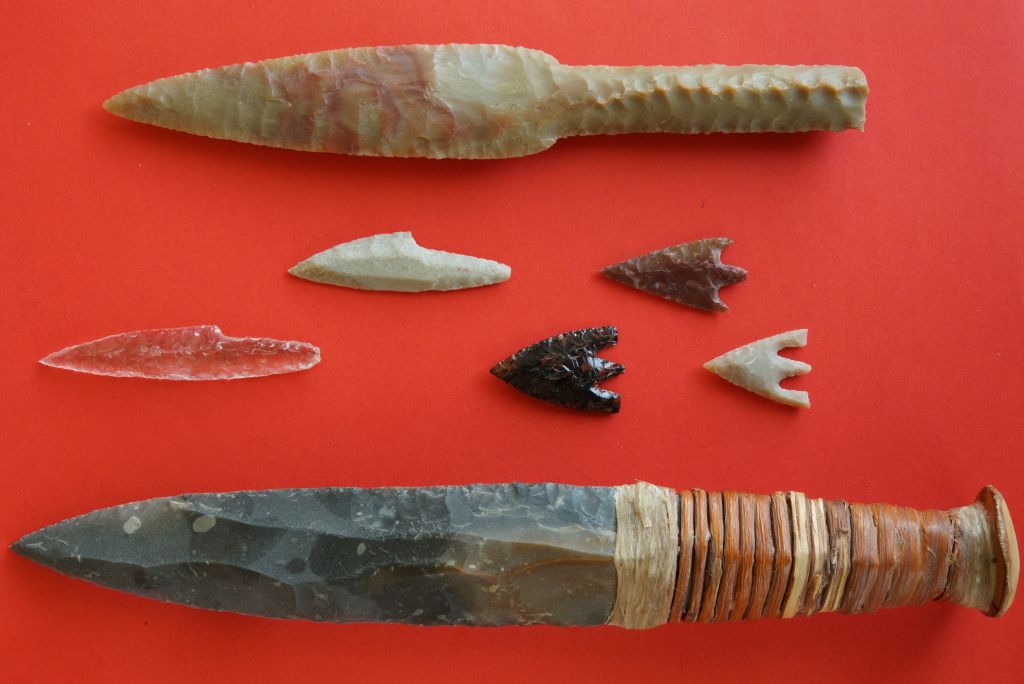

Frequently Asked Questions
What is Prehistory in the Ancient Civilizations series?
Prehistory covers the entire span of human existence from roughly 3.3 million years ago, when the earliest known stone tools appear, up until the emergence of writing. Because no textual records survive from this era, the period is reconstructed entirely through physical artifacts and archaeological evidence.
Which academic fields does Prehistory belong to?
The entry falls squarely within archaeology and anthropology, the two disciplines that piece together early human development by analyzing material remains rather than written sources.
When does the Prehistory period end?
There is no single global cutoff; the endpoint shifts by region and can stretch as late as the 1870s in certain parts of the world. In most locations, Prehistory closes the moment a local society first adopts a writing system.
Why is Prehistory important for understanding later civilizations?
It provides the foundational backdrop for every subsequent entry in the series, encompassing millions of years of tool use, social organization, and cultural evolution that preceded the first recorded societies.
How do scholars reconstruct events during Prehistory?
Since no written documents exist from this era, researchers rely on excavated tools, structures, biological remains, and other material traces left behind by early hominins to build a picture of daily life and development.
More in Ancient Civilizations 1-15
Spotted an error? Know more?
This is a living reference — every entry is fact-audited, and reader corrections feed straight into our audit queue. Suggest an edit · See this site's audit record